Wax Pastel Art Update 2026 | New Creative Trends, Tools & Artist Innovations
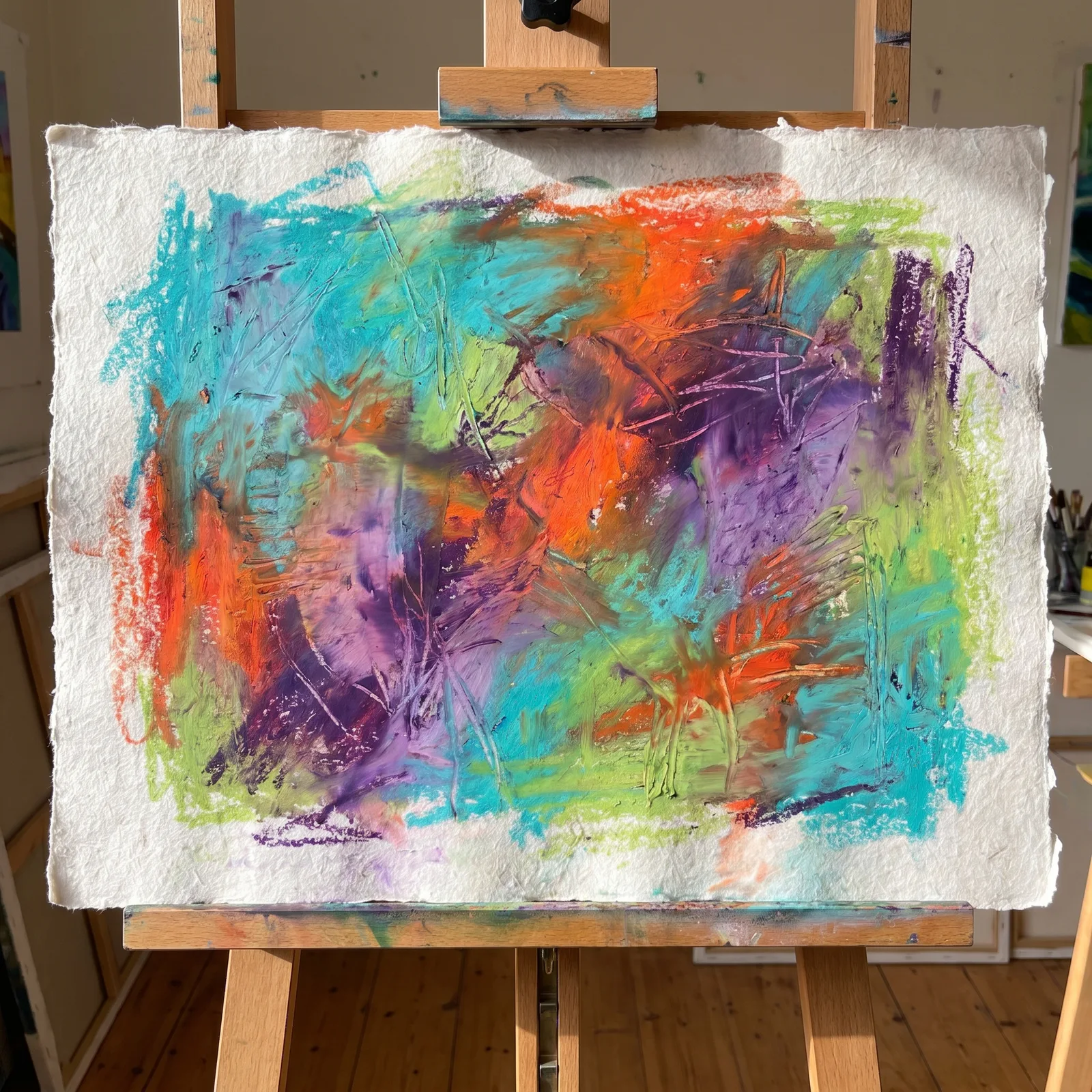
I've been watching the wax pastel world evolve for long enough to know that 2026 feels different. There's a palpable energy—more experimentation, more cross-pollination with other mediums, and a real shift in how artists think about this humble stick of pigment. In my experience working with creative communities, I've noticed that the biggest breakthroughs don't come from new tools alone; they come from a mindset change. Artists are no longer asking "What can I do with pastels?" but rather "What can pastels do for my unique vision?"
In this update, I'm sharing the developments I've seen firsthand—from my own studio experiments, from conversations with fellow artists, and from the work my students are producing. This isn't a dry news roundup; it's a reflection on where we are and, more importantly, where we're heading.
New Hybrid Art Techniques Emerging
When I first started blending traditional pastel with digital tools, I felt like I was cheating somehow. I help my students unlearn that guilt. The most exciting update I've seen this year is the widespread acceptance of hybrid workflows. Artists are scanning their wax pastel pieces mid-process, using digital software to test color variations or smooth out tricky gradients, and then printing or projecting those enhancements back onto the physical piece as a guide.
I designed a personal project around this method last winter, and I noticed something surprising: the digital step didn't dilute the tactile charm of the pastel—it amplified it. The texture remained, but the composition became bolder. This blend of traditional and digital methods is becoming a go-to workflow among modern illustrators, and I encourage my students to see it not as two separate disciplines, but as one continuous creative conversation.
Eco-Friendly Wax Pastel Materials
This is a shift I'm genuinely thrilled about. When I created my earliest teaching resources, I struggled to recommend specific brands because so many contained questionable ingredients or excessive plastic packaging. Now, manufacturers are finally responding. I help my students navigate these new options by focusing on what matters most: pigment quality, wax consistency, and safety.
In my experience testing these newer eco-friendly lines, I've noticed that some perform even better than traditional ones. The sustainably sourced waxes often have a slightly creamier texture, which actually makes blending smoother. Non-toxic pigments mean I can confidently recommend them for younger artists or for extended studio sessions without ventilation worries. This shift is making wax pastel art more accessible and environmentally responsible—a win I never take for granted.
Rise of Educational Art Platforms
I've witnessed the online learning space transform from scattered YouTube tutorials to structured, community-driven courses, and I've played a small part in that change myself. When I designed my own workshop curriculum, I deliberately focused on the gaps I noticed in existing content: too much emphasis on theory, not enough on the emotional, playful side of making art. Now, I see that same holistic approach spreading across major platforms.
Teachers are integrating wax pastel projects into classrooms not just for art skills, but for mindfulness and creative development. I help educators design these projects because I've seen how the repetitive, soothing motion of blending can calm an anxious student or unlock a reluctant drawer. The structured courses emerging in 2026 are finally addressing the whole artist—technique, mindset, and personal expression all in one.
Popular Themes in 2026
I noticed a fascinating pattern when I reviewed the portfolios of my advanced students this year. The hyper-realistic, photorealistic approach that dominated a few years ago has given way to something far more intimate. Artists are focusing on emotional and atmospheric themes—storytelling through color and mood, rather than meticulous detail. I help my students lean into this because I believe wax pastels are uniquely suited to capturing feeling over fact.
Themes I'm Seeing Everywhere
- Cosmic dreamscapes and celestial worlds—where deep blues meet unexpected golds
- Cozy indoor environments with soft, lamplit lighting
- Fantasy botanical gardens with glowing, oversized plants
- Surreal ocean and sky combinations that bend the rules of perspective
When I created a prompt list around these themes for my online community, the response was overwhelming. The "cozy indoor" theme, in particular, resonated because it allowed people to draw from their own living spaces—familiar, safe, and deeply personal. I noticed that artists who usually struggled with "what to draw" produced their most authentic work when given an emotional anchor rather than a strict subject.
What's Next for Wax Pastel Art?
Looking ahead, I feel nothing but optimism. In my experience working with this medium across decades, I've never seen so much curiosity and so little fear. The future of wax pastel art looks increasingly experimental—not because the tools are getting fancier, but because artists are giving themselves permission to play.
I expect we'll see even more innovation in blending techniques as artists share their personal "hacks" across global communities. Interactive tutorials, live collaborative sessions, and cross-medium collaborations (pastel with ink, pastel with watercolor, pastel with embroidery—I've seen it all) will continue to blur the boundaries. I help my students prepare for this by reminding them that the best trend to follow is their own curiosity. The medium is simply a vehicle; your voice is the destination. And from where I'm standing, that voice has never been louder or more diverse.