Wax Pastel Art Trends 2026 | New Techniques, Styles & Creative Updates
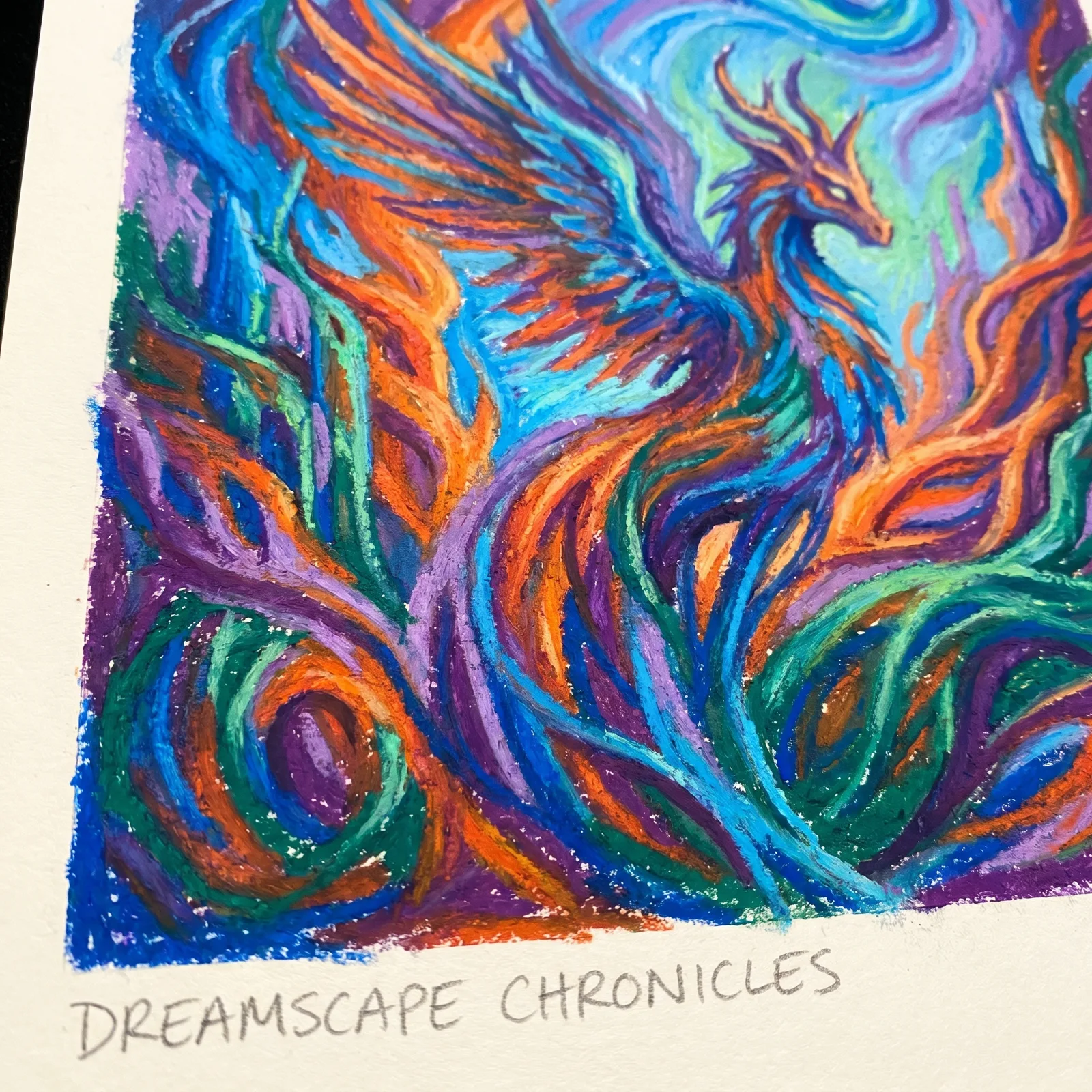
In my experience working with artists across classrooms, online communities, and professional studios, I've noticed that 2026 feels like a turning point. There's a restlessness in the air—artists aren't content with simply applying color anymore. They want to tell stories, evoke emotions, and push the boundaries of what a simple wax stick can do. I help my students and fellow creatives navigate these shifts by focusing not just on what's trending, but on what these trends mean for their personal artistic growth.
When I created this update, I designed it specifically to cut through the noise. I've filtered the buzzwords and focused on the developments I've actually seen in practice—in my own studio, in the work of my students, and in the vibrant exchanges happening across art platforms worldwide. This isn't a passive news roundup; it's a reflection on where we are and where we're headed, with practical insight for artists at every level.
1. Soft Dream Aesthetic Dominance
I noticed this trend emerging a couple of years ago, but 2026 has cemented it. Artists are gravitating toward soft dream aesthetics—pastel-heavy palettes, glowing highlights, and blurred transitions that feel almost like a memory. I help my students lean into this not because it's fashionable, but because it plays to the unique strengths of wax pastels. The medium naturally lends itself to soft edges and gentle color shifts, so the dream aesthetic feels like an extension of the material itself.
I designed a series of exercises around this trend, and I noticed something important: when artists work with glowing highlights and muted backgrounds, they become more intentional about light. They start asking, "Where is my light source?" and "How does this color feel?" It shifts the focus from "what" to "how," and that's where emotional connection lives. This style is especially popular in fantasy scenes, celestial themes, and the cozy interior work I've been seeing everywhere—and for good reason. It invites the viewer in, rather than keeping them at a distance.
2. Mixed Media Wax Pastel Art
If there's one development I'm genuinely excited about, it's the rise of mixed media. When I first started combining wax pastels with watercolor and ink, I felt like I was breaking some unwritten rule. I help my students unlearn that hesitation. In my experience, the most interesting pieces happen when materials talk to each other—watercolor washes providing a loose background, ink lines offering structure, and pastels adding richness and texture on top.
Combinations I Keep Recommending
- Wax pastels + ink outlines for vibrant illustration work with clean edges
- Wax pastels + watercolor washes for background depth and atmospheric glow
- Wax pastels + digital finishing for testing color variations and polishing details
I noticed that students who experimented with ink outlines gained confidence in their linework, while the pastels kept the piece feeling warm and hand-made. The contrast between precise ink and soft wax creates a visual tension that draws the eye. This hybrid approach allows for richer textures and more dynamic compositions, and I've watched even hesitant beginners produce work that surprised them.
3. Nature-Inspired Storytelling
Nature has always been a staple theme, but in 2026 I'm seeing a shift toward narrative-driven landscapes. It's no longer enough to draw a pretty forest—artists want to suggest that something happened there, or is about to happen. I help my students move beyond "scenery" and into "scene." An enchanted forest isn't just a collection of trees; it's a place where a lost traveler might find a secret door. A cosmic ocean isn't just blue and purple water; it's a vast body of water where glowing creatures swim beneath the surface.
When I created this resource, I specifically included storytelling prompts because I noticed that artists who worked with narrative felt more invested in their pieces. They weren't just finishing a drawing; they were completing a story. I help my artists ask themselves three simple questions: "What happened here? Who might be present? What emotion lives in this place?" The answers turn a good piece into a memorable one.
4. Increased Use in Art Therapy
This is the trend that means the most to me personally. In my experience working with students who struggle with anxiety or creative blocks, I've seen the quiet power of wax pastels in therapeutic settings. There's something about the smooth application and forgiving texture that lowers defenses. I help my students see that art therapy isn't about "making pretty pictures"—it's about expressing what words can't reach. The pastel becomes a translator for emotion.
I've noticed educators and therapists increasingly integrating wax pastel activities into their practice, not just for art education, but for focus improvement, relaxation, and emotional communication. I designed a simple exercise for this purpose: closing your eyes and letting a color choose you, then letting that color move across the page however it wants. No subject, no expectation. The results are always honest, and often beautiful in unexpected ways. This growing recognition of pastels as a therapeutic tool is a development I fully support, and I encourage my artists to approach their practice with that same gentle curiosity, whether they're in a formal therapy setting or just drawing at their kitchen table.
5. Bold Color Contrast Experiments
At the other end of the spectrum from soft dreaminess, I'm seeing a thrilling rise in bold, high-contrast work. Artists are taking risks with neon tones against dark backgrounds, creating compositions that are dramatic and visually arresting. I help my students understand that contrast isn't just about brightness—it's about tension. A soft lavender against a deep navy reads differently than a neon pink against charcoal black. The choice of contrast tells a story in itself.
I designed a challenge around this trend for my advanced students: pick one neon or fluorescent color and one deep, dark tone, and build an entire piece around that tension. I noticed that the constraint actually freed them up. With fewer colors to manage, they focused harder on placement, pressure, and texture. The resulting pieces were some of the most striking work of the year. This approach is especially popular in fantasy and sci-fi themed artwork, where the clash of light and dark mirrors the classic hero's journey or cosmic struggle.
Conclusion
Looking back on what I've observed this year, I feel a deep sense of optimism. Wax pastel art in 2026 is becoming more expressive, experimental, and emotionally driven than I've ever seen. From soft dreamy aesthetics to bold modern contrasts, artists are pushing the boundaries of what this medium can achieve—and more importantly, what it can mean.
I help my students see that trends aren't rules; they're conversations. You don't have to follow any of them to be a valid artist. But by understanding what's happening in the wider community, you gain a sense of direction, a sense of possibility. As trends continue to evolve, wax pastels remain a powerful tool for creativity, relaxation, and visual storytelling—not because of the trends themselves, but because of the artists holding the sticks. The medium is just the vessel; the soul of the art is always, always you.